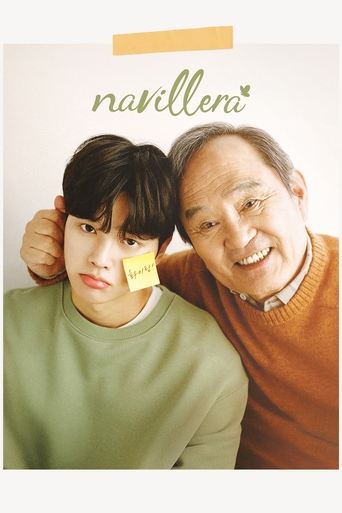

Asiaflix: Korean, Chinese, Japanese and Thai dramas, from Navillera, Doctor Slump and Our Blues to Misaeng, Reply 1997, My Own Swordsman and An Incurable Case of Love, and where to watch them
158 Asian drama series from 2005 to 2026, chosen for the whole household.
Popular on Asiaflix
View all
Once Upon a Small Town

Doctor Slump
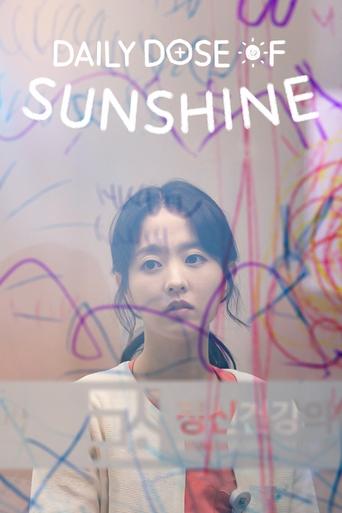
Daily Dose of Sunshine
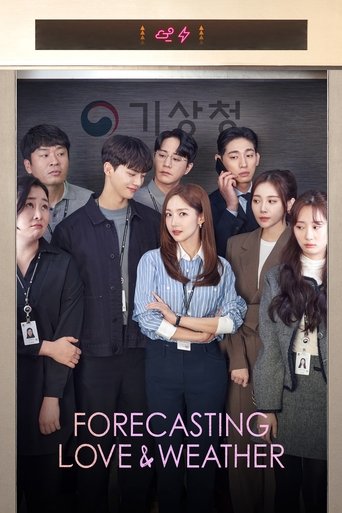
Forecasting Love and Weather
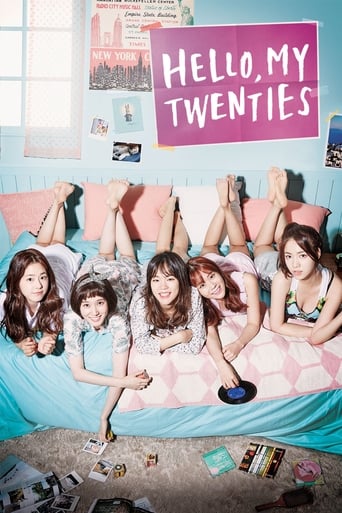
Hello, My Twenties!

My Dearest Nemesis

Dali & Cocky Prince

Cinderella and Four Knights

Love to Hate You

Run On

Her Private Life
Sh**ting Stars

Search: WWW
Recommendation For You
View all
Class Crush Crisis

Peach and Me
See You at Work Tomorrow!

Sold Out on You
We Are All Trying Here

Absolute Value of Romance

Our Universe
Korean dramas
View all
Romance Is a Bonus Book

Uncontrollably Fond
Our Unwritten Seoul
My Liberation Notes
The Secret Life of My Secretary
The Producers
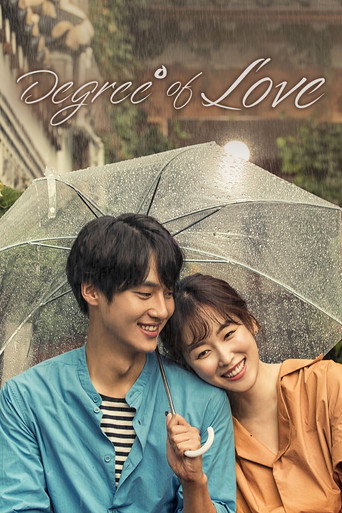
Temperature of Love
C-Drama Beginners
View all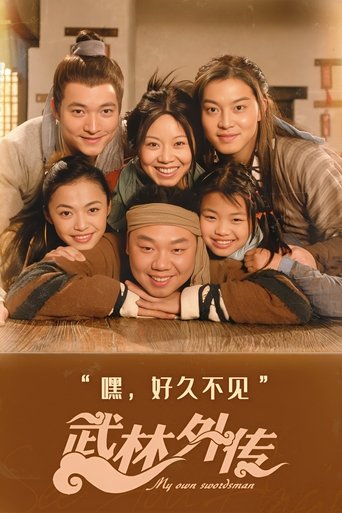
My Own Swordsman

Well-Intended Love

Everyone Loves Me

The Rise of Phoenixes
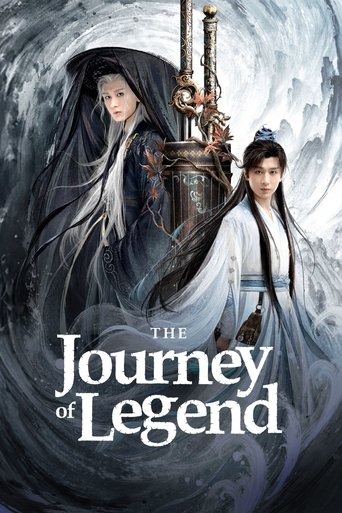
The Journey of Legend
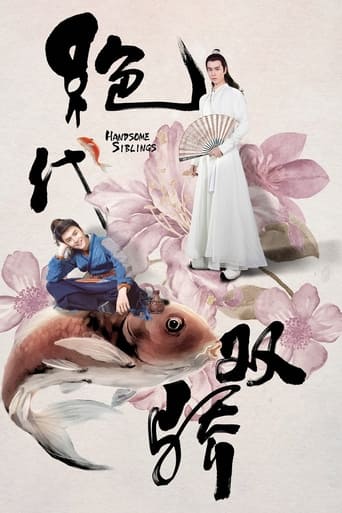
Handsome Siblings

New Life Begins
Japanese dramas
View all
An Incurable Case of Love
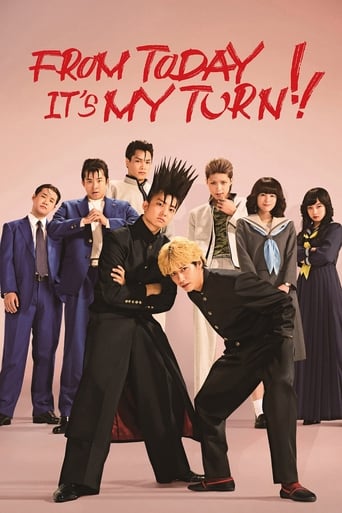
From Today, It's My Turn!!
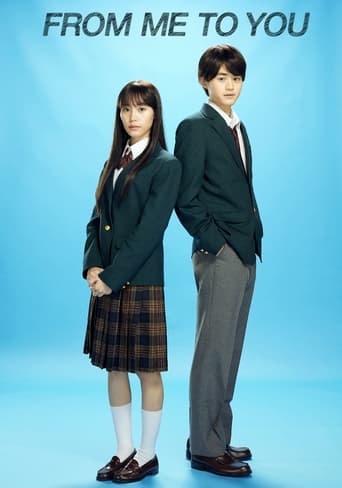
From Me to You: Kimi ni Todoke
Our Youth

Romantics Anonymous
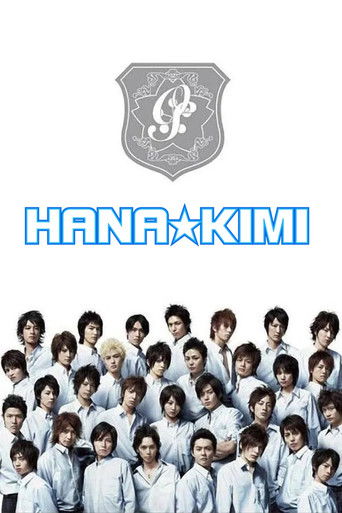
HANA-KIMI

5→9 From Five to Nine
Thai-Drama Beginners
View all
Ready, Set, Love
My School President

ThamePo: Heart That Skips A Beat

Somewhere Somehow

Duang with You

Last Twilight

We Are
Browse
- Korean 67
- Chinese 37
- Japanese 35
- Thai 19
- Comedy 77
- Romance 84
- Workplace 61
- School and youth 52
- Costume drama 36
- Family 42
- Short series 60
- Before 2016 25
- 2016 to 2019 37
- 2020 to 2022 34
- 2023 onwards 62
- Top rated 61
Help
View all- How to watch with Asiaflix
- Korean dramas
- Chinese dramas
- Japanese dramas
- Thai series
- A guide for beginners
- Romance
- Workplace
- School and youth
- Costume drama
- Family
- Short series
- Year by year
- Finding titles
- My List
Asian dramas for the whole household: the Asiaflix guide
Asiaflix: Korean, Chinese, Japanese and Thai dramas, from Navillera, Doctor Slump and Our Blues to Misaeng, Reply 1997, My Own Swordsman and An Incurable Case of Love
In the last twenty years the television drama of East and South-East Asia has found an audience in every part of the world. Viewers in Manila, Mumbai, Lagos, Lima and Lyon follow series made in Seoul, Shanghai, Tokyo and Bangkok, with subtitles, and often within hours of their first broadcast. The attraction is easy to understand: these dramas tell a complete story in a fixed number of episodes, they care about family, work and manners, and they are, on the whole, gentle. Asiaflix is a guide to 158 of them, made between 2005 and 2026, each with its own page, its story, its episodes and a Watch now button that leads to the official services carrying it in your country.
The catalogue has been chosen for the whole household. Each series was read through by hand, and the selection favours romantic comedies, dramas of work and school, family stories and costume dramas. Crime thrillers, horror, stories of revenge and series made for adults were left out. What remains is 67 series from South Korea, 37 from China, 35 from Japan and 19 from Thailand.
This guide introduces the dramas country by country and then by subject, explains the customs that newcomers ask about, and ends with plans for a first month. Each section links to a short help page, and the How to watch page sums up the simple steps from a poster to the official service.
How Asiaflix looks
Asiaflix keeps the look of the application whose name it carries: a page of very dark grey, almost black, with the name in red and white, a short menu of the four languages, and a search box. At the top of the home page stands a large picture from one featured drama, with its name, its year, its number of episodes and two buttons, Play and More Info, both of which open the page of the series.
Below it the dramas are set out in titled rows of tall posters, each with its name beneath: Popular on Asiaflix, which shows the fourteen series with the most votes from viewers; Recommendation For You, which shows the newest; and a row for each country. A Browse list gives every row with the number of series in it, and the help pages and this guide follow. On a telephone the posters stand three abreast and the menu folds into a button.
If you are new to Asian dramas
The A guide for beginners help page is written for viewers who have yet to watch their first series, and a few facts will make the start easier. A Korean drama usually has sixteen episodes of about an hour, shown two a week, and then ends for good; a second season is the exception. Newer Korean series made for streaming services often have ten or twelve. A Japanese drama is shorter still, ten or eleven episodes of forty-five minutes, shown once a week for a single season of the year. A Chinese drama is long, commonly thirty or forty episodes, and tells its story at a more leisurely pace. Thai series vary, and many run to twelve.
The Short series row gathers the 60 dramas of twelve episodes or fewer, and the Short series help page suggests the best of them for a first attempt. A short series asks for about ten evenings, which is a fair trial of whether the form suits you.
The dramas are watched with subtitles, and most people find that after a single episode they forget they are reading. It helps to know that Korean and Japanese put the family name first, so that Park Bo-young is Miss Park, and that people are addressed by title far more than by name: teacher, senior, manager, older brother, older sister. A good deal of the comedy and the tenderness in these series comes from the moment when two characters agree to speak to each other less formally.
Finally, expect food. Characters make peace over a pot of stew, celebrate with fried chicken, comfort one another with noodles at a tent stall in the rain, and say "have you eaten?" where an English speaker would say "how are you?". Many viewers report that they begin cooking Korean or Japanese dishes within a month of their first drama.
Korean dramas
The Korean row is the largest, with 67 series, and the Korean dramas help page offers a route through it. Navillera, from 2021, is the best possible introduction, and it has one of the highest ratings on Asiaflix. Shim Deok-chul is seventy, a retired postman with a wife, three grown children and a dream he has kept to himself since boyhood: he wants to dance ballet. Lee Chae-rok is twenty-three, a gifted dancer who has lost his way. The old man becomes the young man's pupil, manager and friend, and each gives the other what he lacks, discipline in one direction and courage in the other.
The series has only twelve episodes, and it handles ageing, memory and the expectations of families with great delicacy; the title is a Korean word for the fluttering of a butterfly. Grandparents and grandchildren can watch it together, which is rare. A handkerchief is advisable for the last two episodes.
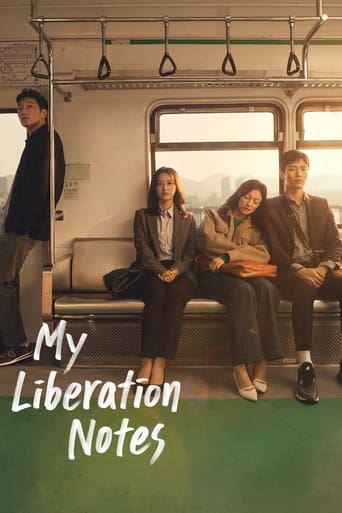
Our Blues, from 2022, is set among the fish markets, tangerine farms and diving women of Jeju Island, off the southern coast. It follows about fifteen people, a ship's captain, a truck trader, a pair of school friends now past fifty, a mother and the son who will hardly speak to her, through twenty episodes in which each pair takes the centre in turn. Some of the best-known actors in Korea play fishmongers and ice sellers, and the island itself, with its black rock and its wind, is a character. My Liberation Notes, from the same year, is quieter still: three grown brothers and sisters who live with their parents in the countryside and spend three hours a day commuting to Seoul, and who each decide, in a different way, to change their lives.
The two Reply series are the best-loved Korean dramas about growing up. Reply 1997 is set in the port city of Busan among six school friends, one of whom, Shi-won, is devoted to a boy band to the despair of her father; the story jumps between their school days and a reunion fifteen years later, and teases the viewer about which of the boys she married. Reply 1994 moves the idea to a boarding house in Seoul full of students from the provinces, each with a different accent. Both are full of the music, clothes and gadgets of their years, and both are, underneath, about parents.
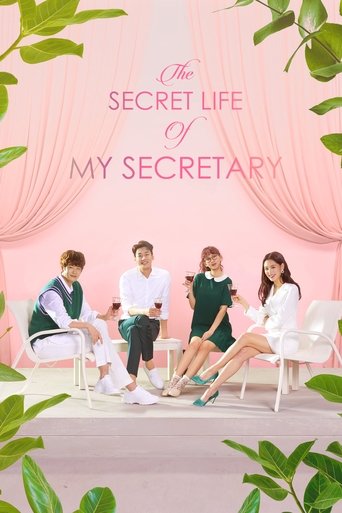
The Korean romantic comedy has a recognisable pattern, two people who begin by irritating each other and end by being quite unable to part, and the row offers it in every setting. In Doctor Slump, two doctors who were rivals for first place at school meet again at the lowest point of both their careers and move into the same rooftop house. In Her Private Life, a serious curator at an art gallery hides the fact that she runs a fan site for a pop singer. In Romance Is a Bonus Book, a woman returning to work after years away takes a junior post at the publishing house run by her childhood friend. Love to Hate You, Dali & Cocky Prince, Sh**ting Stars, Cinderella and Four Knights, Clean with Passion for Now, The Secret Life of My Secretary, Love in Contract and My Dearest Nemesis are variations on the theme.
The gentler romances, sometimes called healing dramas, are slower and more thoughtful. Encounter begins with a chance meeting in Havana between a hotel executive and a younger man with a camera. One Spring Night is about a librarian and a pharmacist who is bringing up his small son alone. When the Weather Is Fine sends a tired cellist back to the snowy village of her schooldays, where an old classmate keeps a bookshop. Once Upon a Small Town gives a city vet a country practice and a neighbour in the local police. Just Between Lovers, Run On, Uncontrollably Fond and Daily Dose of Sunshine, about a nurse on a psychiatric ward, belong with them.
Dramas of work
The Workplace row holds 61 series, and the Workplace help page arranges them by profession. Asian dramas take work seriously; a series will teach you how a weather forecast is made, how a manga magazine goes to press, or how a restaurant earns its third star. Misaeng: Incomplete Life, from 2014, is the masterpiece of the kind. Jang Geu-rae spent his youth training to be a professional player of baduk, the board game known elsewhere as Go, and failed. At twenty-six, with only a school certificate, he starts as an intern at a trading company among graduates of the best universities.
The series follows him and three other new recruits through the photocopying, the reports, the late nights and the small humiliations of office life, and it does so with such truth that office workers across Korea said they saw themselves in it. The title is a term from the game: a group of stones that is neither safe nor lost, still fighting to live. It has twenty episodes and hardly a romance in it, and it is one of the highest-rated dramas ever made in Korea.
Hospital dramas are a large family. Good Doctor, from 2013, about a young surgeon with autism and an extraordinary memory who joins a children's ward, was later remade in America and several other countries. Resident Playbook, from 2025, follows first-year doctors in a maternity department, and Daily Dose of Sunshine has been mentioned. From Japan comes An Incurable Case of Love, in which a schoolgirl helped by a handsome doctor becomes a nurse in order to work beside him, and finds that his nickname on the ward is "the Devil".
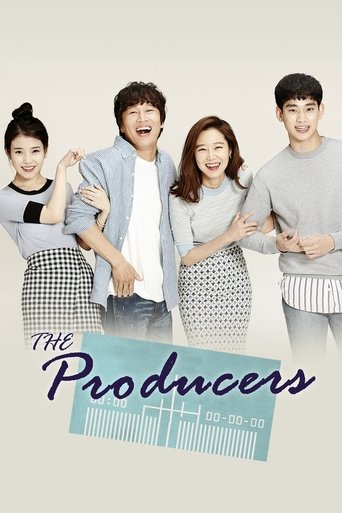
Other professions each have their drama. Search: WWW is about three women in their thirties and forties who run rival internet search companies, and it is a favourite for its friendships. The Producers goes behind the scenes of a television entertainment department. Where Stars Land is set at Incheon airport, Forecasting Love and Weather at the national weather service, Good Manager in an accounts department, where a cheerful rogue finds himself defending his colleagues, and The Potato Lab at an agricultural research station. Rookie Cops follows students at the police university, and Pro Bono, Law and the City and The Law Cafe are set among lawyers.
Japan is especially good at this kind of story. Sleepeeer Hit!, from 2016, follows a former judo champion who joins the editorial office of a weekly manga magazine, and shows with affection how artists, editors, printers and booksellers together make a success. La Grande Maison Tokyo is about a disgraced chef who gathers a team to win three stars. Police in a Pod, Trillion Game, Miss King, set in the world of the board game shogi, and ISHIKO and HANEO: You're Suing Me? are other examples, and from Thailand comes Mad Unicorn, about a young man who builds a parcel delivery company from scratch.
Costume drama
The Costume drama row holds 36 series, and the Costume drama help page divides them between Korea and China. The Korean historical drama, called sageuk, is usually set in the Joseon kingdom, which lasted from 1392 to 1897, a world of scholars in wide black hats, court ladies in jewel-coloured silk and kings who must be addressed from a kneeling position. Jewel in the Crown, from 2010, known in Korea as Dong Yi, tells in sixty episodes of a clever servant girl who rises to become a royal consort and the mother of a great king. The Great Queen Seondeok, from 2009, goes further back, to the seventh century and the first woman to rule a Korean kingdom.
The newer costume dramas are shorter and lighter. The Red Sleeve, from 2021, is a restrained and beautiful romance between a crown prince and a court lady who values her own small freedom. Rookie Historian Goo Hae-Ryung imagines the first women appointed as royal historians. Sungkyunkwan Scandal, from 2010, sends a poor girl, dressed as her brother, to the great Confucian academy, where she shares a room with three of the cleverest young men in the kingdom. The Tale of Nokdu reverses the disguise, and Live Up to Your Name carries a physician of the sixteenth century, with his needles, into a modern hospital in Seoul.
Chinese costume drama is a world of its own, with enormous sets, hundreds of costumes and stories that run for forty episodes. Flourished Peony, from 2025, is set in the Tang dynasty, the golden age of Chinese poetry: a merchant's daughter with a gift for growing peonies leaves an unhappy marriage and builds a flower business in the capital. The Litchi Road, from the same year, is a sharp comedy-drama about a minor official given an impossible task, to bring fresh lychees two thousand kilometres to the palace before they spoil. Blossoms in Adversity follows the women of a great family who must earn their own living when its fortunes fall, and The Story of Pearl Girl, Destined, Scent of Time and The Glory are other stories of capable heroines in trade and at court.
The Rise of Phoenixes, from 2018, is a grand drama of intrigue between a prince and a woman scholar, admired for its design. Oh My General is a comedy about a celebrated woman general ordered to marry an idle young nobleman. New Life Begins is lighter still, a story of the wives and cooks of a large princely household. Fantasy has its own shelf, the stories of immortals and martial artists that Chinese readers have loved for centuries: Novoland: Pearl Eclipse, The Blue Whisper, The Destiny of White Snake, from the old legend of a snake spirit who loves a physician, Fighter of the Destiny, Handsome Siblings and The Journey of Legend.
Chinese dramas of today
The Chinese row holds 37 series, and the Chinese dramas help page lists the modern ones beside the costume dramas. Two comedies stand at the head of it. My Own Swordsman, from 2006, has the highest rating in the whole catalogue. It is set in a small inn in a small town in the age of wandering swordsmen, and its regulars, a soft-hearted landlady, a waiter who was once a famous thief, a pedantic scholar, a cook and a runaway girl from a great martial family, get through eighty episodes of troubles by talking, in a mixture of dialects and modern slang that made the whole country laugh. Home with Kids, from 2005, is the best-loved Chinese family comedy, about a father with two children who marries a mother with one.
The serious dramas of modern China are family chronicles on a large scale. Like a Flowing River, from 2018, follows three young men, a student, a village leader and a small trader, through the years after 1978, when the country's economy was opened. A Lifelong Journey, from 2022, follows the three children of a worker's family in a northern city across fifty years; it was one of the most watched dramas in the country's history, and families watched it together, comparing it with their own memories.
The modern romances are bright and good-natured. My Sunshine, from 2015, about college sweethearts who meet again after seven years, set the pattern. Skate Into Love, set among speed skaters and ice hockey players at a university, The Prince of Tennis ~ Match! Tennis Juniors ~, Ski into Love and The Brightest Star in the Sky add sport and music. Here We Meet Again, Road Home, A Date With the Future, Time and Him are Just Right, Everyone Loves Me, Our Generation, Love Designer, She and Her Perfect Husband, The Tale of Rose, Will Love In Spring and My Dear Guardian are others, and Well-Intended Love is a comedy of a contract marriage.
Japanese dramas
The Japanese row holds 35 series, and the Japanese dramas help page groups them by mood. Japanese television drama is compact and often eccentric, and it has a particular love of food. Solitary Gourmet, which began in 2012, may be the calmest programme ever made: a salesman of imported goods finishes a call in some ordinary district of Tokyo, feels hungry, chooses a small restaurant, and eats, alone, with complete attention, while we hear his thoughts about each dish. That is the whole of every episode, the restaurants are real, and it has run for more than ten seasons.
What Did You Eat Yesterday?, from 2019, is about a careful lawyer and a cheerful hairdresser who share a flat, and the supper the lawyer cooks each evening on a strict budget; the recipes are shown step by step, and the series is as much about kindness in a long partnership as about cooking. La Grande Maison Tokyo has been mentioned, and Romantics Anonymous, from 2025, is set in a chocolate shop.
The comedies are broad and warm. In My Boss, My Hero, from 2006, the twenty-seven-year-old heir to a gang is told by his father that he must finish high school before he can succeed him, and goes back to the classroom pretending to be seventeen; he discovers friendship, school lunches and the terror of examinations. In Wise and Foolish, the prime minister and his idle student son wake up in each other's bodies. Daughter of Lupin is a pantomime romance between a detective and the daughter of a family of gentleman thieves. From Today, It's My Turn!!, set in the 1980s, follows two new boys who decide to reinvent themselves as the toughest pupils in school, with haircuts to match, and it is far sillier than it sounds.
School stories include From Me to You: Kimi ni Todoke, about a shy girl whom her classmates find alarming until one friendly boy speaks to her; HANA-KIMI, from 2007, in which a girl disguises herself to attend a boys' school; The Queen's Classroom, about a class of eleven-year-olds and a formidable teacher; GTO; Saving My Stupid Youth; and I Will Be Your Bloom. The Korean drama To the Beautiful You is made from the same comic book as HANA-KIMI, and a comparison of the two shows neatly how each country tells a story.
Amachan, from 2013, deserves special mention. It was one of the morning serials that Japan's public broadcaster shows in fifteen-minute episodes six days a week, and it became a national event. A sulky schoolgirl from Tokyo visits her grandmother in a fishing town on the north-eastern coast, discovers that the old lady is a diver for sea urchins, and decides to become one herself. It is funny, full of songs, and quietly moving about a region that had suffered a great disaster two years before. Stepmom and Daughter Blues, If My Wife Becomes an Elementary School Student, Tada's Do-It-All House, My Dear Exes, about a woman who has been married three times and remains on good terms with all three, Tokyo Girl, Glass Heart and Modern Love Tokyo complete a varied row.
Thai series
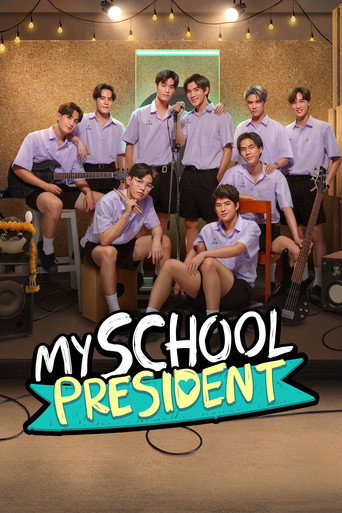
The Thai row holds 19 series, and the Thai series help page introduces them. Thailand's television has become popular across Asia in the last ten years, above all for its stories of school and university life, which are sunny, musical and full of friendship. My School President, from 2022, is the favourite: the president of a school's student council plans to close the music club, whose leader has a habit of losing competitions, and finds himself helping the band instead. The songs were hits, and the series is as innocent as a school story can be.
Last Twilight is about a young man who takes a job reading aloud to a former sportsman who is losing his sight. ThamePo: Heart That Skips A Beat follows a film student making a documentary about a pop group. We Are, Perfect 10 Liners, Fourever You, Your Sky, Star and Sky: Star in My Mind, Class Crush Crisis and My Love Mix-Up!, in which a borrowed eraser with a name written on it causes a chain of misunderstandings, are campus and classroom stories of the same cheerful kind.
The series made for international streaming services show a different side. Analog Squad, set in 1999, is about a man who hires three strangers to play his wife and children on a visit to the father he left twenty years before, and about the family the four of them become. Mad Unicorn is a brisk story of business rivalry. Ready, Set, Love is a candy-coloured comedy set in an invented country with its own game show, and City of Stars, Cat for Cash, Us, Somewhere Somehow, Duang with You and Peach and Me are light entertainments.
School and youth
The School and youth row holds 52 series, and the School and youth help page lists them by country. Besides those already named, it offers Dream High, from 2011, set at a school for the performing arts in Seoul, where six pupils train to become singers; several of its young cast are now among the most famous performers in Korea. Hello, My Twenties! follows five young women who share a house near their university, each with a secret, and Be Melodramatic follows three friends of thirty in the television business. Doona! is about a student who finds that the housemate upstairs is a retired pop star, and Heartstrings sets a player of the traditional Korean zither against the leader of a college rock band.
Family
The Family row holds 42 series, and the Family help page picks out those that several generations can share. The family is the true subject of most Asian drama: the mother who works at a market stall to pay for a son's schooling, the father who struggles to say what he feels, the grandmother whose approval must be won. Our Blues, Navillera, the Reply series and A Lifelong Journey are the finest examples. Marriage Contract, from 2016, about a young widow, her small daughter and a rich man who needs her help, is a gentle weepie. Our Universe, from 2026, has two in-laws who dislike each other bringing up a small nephew together, and Love Scout has a single father of perfect efficiency taking a post as a secretary.
From Japan, Stepmom and Daughter Blues is about a formidable career woman who marries a widower and sets about winning over his eight-year-old daughter with the methods of a business negotiation. From China, Home with Kids remains the model. Parents may like to know that these series treat the old with unusual respect and the young with unusual patience, and that scenes of a family eating together at a low table are among the things viewers remember longest.
Romance
The Romance row holds 84 series, more than half the catalogue, and the Romance help page chooses among them. Romance in these dramas is slow and courteous. Weeks may pass before two characters hold hands, a shared umbrella is an event, and a first kiss, if there is one, usually arrives about two thirds of the way through. Viewers who are tired of hurry find this restful, and parents find it suitable.
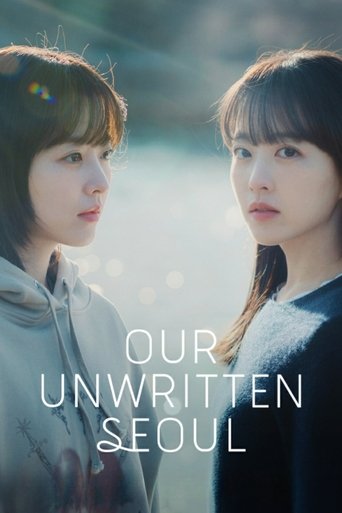
The settings supply the variety: a publishing house in Romance Is a Bonus Book, a museum in Dali & Cocky Prince, a restaurant kitchen in Tastefully Yours, a film set in Melo Movie, an ice rink in Skate Into Love, a temple school of English in 5→9 From Five to Nine, a hospital ward in An Incurable Case of Love. Temperature of Love, Now, We Are Breaking Up, Reunited Worlds, May I Help You?, Our Unwritten Seoul, in which twin sisters exchange lives, Spring Fever, Sold Out on You, See You at Work Tomorrow!, Absolute Value of Romance and We Are All Trying Here bring the Korean list up to 2026.
Customs worth knowing
A little knowledge of manners makes these dramas richer. In Korea, age decides how people speak to each other, and strangers will often ask each other's year of birth within minutes of meeting. A younger person pours drinks for an older one with both hands and turns the head aside to sip. Shoes come off at the door in all four countries. In Japan, people bow where others would shake hands, and an apology is a formal act; in Thailand, the palms are pressed together in a greeting called the wai, held higher for those owed more respect.
School life has its rituals: the entrance examination that settles a young person's future, the class president, the cleaning of the classroom by the pupils themselves, the school festival in autumn, the uniform, the bicycle ride home. Work has others: the after-hours dinner with the team, the junior who must stay until the senior leaves, the business card offered with two hands. And the calendar brings festivals that turn up again and again, the lunar new year, the harvest moon, the cherry blossom in April, the water festival in Thailand.
Some words are soon familiar. Oppa is what a Korean woman calls an older brother or an older man she is close to; sunbae is a senior at school or work, called senpai in Japan; ajumma is a married woman of middle age, usually formidable. Fighting, borrowed from English, means "you can do it". In Chinese dramas, ge and jie mean older brother and older sister, and laoshi is teacher. In Thai, phi is used for anyone older and nong for anyone younger, which is why characters seem to call each other brother and sister all day long.
Places you will come to know
Watching these dramas is a way of travelling. Seoul appears in nearly every Korean series: the river Han with its bridges lit at night, the rooftop rooms where struggling heroes live, the convenience store with a plastic table outside, the steep lanes of the old hillside districts. Beyond the capital, Our Blues shows Jeju Island, Reply 1997 the port of Busan, When the Weather Is Fine the snowbound villages of the north-east, and Once Upon a Small Town the green farming country, where the neighbours know one's business before one does.
Japan is seen at a smaller scale: the shopping street with its family restaurants in Solitary Gourmet, the fishing harbour of Amachan, the school corridor and the riverbank path that appear in every story of youth. Chinese dramas offer both the rebuilt palaces and market streets of the great studio towns, where the costume series are filmed, and the glass towers of Shanghai and Shenzhen. Thai series are full of sunlight, with the shady courtyards of Bangkok's universities and schools, street food stalls and trips to the sea.
Many of the places can be visited, and tourist offices publish maps of filming locations. A family planning a holiday in Asia could do worse than to choose a destination from a favourite series; and for those who stay at home, the dramas give a truer picture of daily life in these countries, of what people eat, how they travel to work and what their flats look like, than most news reports.
How an Asian drama is built
It helps to understand the shape of these stories, because it differs from that of American or British television. A drama is planned as a whole, like a long novel, with a beginning, a middle and an end already decided. The first two episodes introduce the characters and bring the leading pair together, usually through an accident or a misunderstanding. The middle episodes deepen the friendships and reveal a secret from the past. Somewhere near the three-quarter mark comes a separation, and the last episodes mend it. Knowing the pattern, viewers enjoy the variations, much as readers of detective stories do.
Because the end is fixed, the supporting characters matter: the heroine's best friend, the hero's rival, the comic colleagues and the parents each have a small story of their own that is completed by the last episode. Admirers often say that they began a series for the leading couple and stayed for the second one. Each episode closes on a moment held for a few seconds, a look, a discovery, a hand reaching out, which is the reason so many people who meant to watch one episode find that they have watched three.
The seasons play their part too. A drama broadcast in spring will be full of blossom and new beginnings, and one shown in winter will end with snow and a scarf wound round someone's neck; One Spring Night, Spring Fever, When the Weather Is Fine and Will Love In Spring wear their season in their titles. Watching a series at the same time of year as its first audience, with the same weather outside the window, adds a small and particular pleasure, and many admirers plan their viewing that way.
Year by year
Four rows arrange the catalogue by date, and the Year by year help page describes them. Before 2016 holds 25 series, the classics on which the present popularity of Asian drama was built: Home with Kids, My Own Swordsman, My Boss, My Hero, HANA-KIMI, The Great Queen Seondeok, Jewel in the Crown, Sungkyunkwan Scandal, Dream High, Reply 1997, Good Doctor, Amachan, Misaeng: Incomplete Life and The Producers.
2016 to 2019 holds 37, the years in which streaming carried these series round the world: Hello, My Twenties!, Good Manager, Just Between Lovers, Like a Flowing River, Encounter, Her Private Life, Search: WWW, One Spring Night, Be Melodramatic and What Did You Eat Yesterday?. 2020 to 2022 holds 34, among them An Incurable Case of Love, Run On, Navillera, The Red Sleeve, Our Blues, My Liberation Notes, A Lifelong Journey and My School President.
2023 onwards is the largest row, with 62 series, from Daily Dose of Sunshine, Doona!, Analog Squad and Doctor Slump to Flourished Peony, The Litchi Road, Resident Playbook, Our Unwritten Seoul, Glass Heart and the dramas of 2026, which the Recommendation For You row on the home page shows first. The Top rated row gathers the 61 series rated 8 or more out of ten by viewers, a very high proportion, which says something about the affection these dramas inspire. The Comedy row holds 77.
Writers, actors and music
In Korea the writer of a drama is its true author, better known than the director, and admirers follow writers from series to series. The writer of Our Blues is celebrated for her portraits of ordinary people, the writer of My Liberation Notes for dialogue that sounds like thought, and the writer of the Reply series for a memory of the 1990s so exact that viewers wept over a brand of biscuit. In Japan the equivalent figure wrote both Amachan and Saving My Stupid Youth, and his rapid, joking style is recognisable in a single scene.
Certain actors recur. Park Min-young leads Her Private Life, When the Weather Is Fine, Forecasting Love and Weather and Love in Contract. Park Bo-young, small and bright, is the nurse of Daily Dose of Sunshine and both twins of Our Unwritten Seoul. Im Si-wan, the intern of Misaeng: Incomplete Life, is the runner of Run On. Han Ji-min appears in One Spring Night, Our Blues and Love Scout. In Japan, Takeru Satoh is the doctor of An Incurable Case of Love and the musician of Glass Heart.
The music matters as much as the faces. Every Korean drama has its own set of songs, written for it and released one by one as the episodes are shown, and a ballad that plays each time the leading pair exchange a look will be known across Asia by the end of the run. Japanese dramas have a single theme song, usually by a famous band, and Thai school series are built around the songs their characters perform. The official music services carry these soundtracks, and they are a pleasant way of remembering a series.
Finding a drama
The Finding titles help page explains the several ways to find a series on Asiaflix. The search box in the dark bar accepts a title and shows matching series as you type. Dramas are listed here under their English titles, and many have a second name used by admirers, a Korean, Japanese or Chinese title written in English letters; the page of each series gives its other names, and the search recognises them too.
The menu at the top opens the four language rows, the Browse list on the home page gives every row with the number of series in it, the A-Z page lists all 158 alphabetically with their years, and the Dramas page lists them by popularity. Titles are often similar, since so many contain the words love, spring or star, and the year and the poster are the surest guide to the one you want.
What a series page shows
Each series page is built on one plan. At the head stand the poster, the title in English and in its own script, the year, the number of episodes and the average rating. Beneath come a short account of the story, the genres, the writers and directors, the leading actors, the list of episodes and a row of related series. The Watch now button opens the list of official services that offer the series in the country you choose.
Asian dramas are now carried by a good many official services. The large international streaming services commission series of their own and license many more; several services specialise in Asian drama and offer a large library with subtitles in dozens of languages, some of it free with advertisements; and the broadcasters of Korea, Japan and Thailand place full episodes with subtitles on their official video channels. Subtitles in English are nearly universal, and Hindi, Indonesian, Thai, Arabic, Spanish and Portuguese are common. What each service holds differs by country and changes over time, so the list on each page is the place to look.
The Add to My List button on each page marks a series for later. The list is saved by the browser on your own device, with neither a registration nor a password, and it opens from the My List link in the menu. Since a drama takes several weeks to finish, many viewers keep a short list of two or three and add the next only when one is done. The My List help page explains how to remove a series and how to carry the list to another device.
A first month
Here is a plan for a household new to Asian dramas, one series a week at two episodes an evening. In the first week, watch Navillera, which is twelve episodes long and will tell you at once whether these dramas are for you. In the second, choose a romantic comedy, Doctor Slump or Her Private Life. In the third, go to Japan for An Incurable Case of Love, which is short, and add a few episodes of Solitary Gourmet between meals. In the fourth, try Reply 1997.
After that the paths divide. Those who want something substantial should go on to Misaeng: Incomplete Life or Our Blues; those who want costume and ceremony, to The Red Sleeve or Flourished Peony; those who want to laugh, to My Boss, My Hero or Good Manager; those with teenagers, to Dream High, My School President or From Me to You: Kimi ni Todoke; and those with time and patience, to the sixty episodes of Jewel in the Crown, which families in many countries have watched together, an episode a night, for two months.
How the dramas were chosen
Every title on Asiaflix was considered by a person before it was admitted. The selection keeps to romantic comedies, dramas of work and school, family stories and costume dramas, and series built on crime, horror, revenge or adult themes were set aside, however popular. Some of the dramas touch on serious matters, illness, the loss of a parent, pressure at school or at work, as honest family stories do, and the page of each series describes its story plainly so that parents can judge.
Asiaflix is a guide. It keeps neither episodes nor files to download; every Watch now button opens an official, licensed service, where the subtitles are prepared by professional translators and the writers, actors and crews are paid when you watch.
Questions and answers
Questions
What is Asiaflix?
Asiaflix is a guide to 158 drama series from Korea, China, Japan and Thailand, chosen for the whole household. Each series has a page with its story, year, episodes and cast, and a Watch now button that leads to the official services carrying it in your country.
Which drama should I watch first?
Start with Navillera, Reply 1997 or An Incurable Case of Love. The first-month plan in the guide suggests an order.
Is the catalogue suitable for families?
Yes. Every series was screened by hand, and the selection keeps to romantic comedies, dramas of work and school, family stories and costume dramas.
How long is an Asian drama?
A Korean drama usually has sixteen episodes, a Japanese drama ten or eleven, and a Chinese drama thirty or more. The Short series row lists 60 dramas of twelve episodes or fewer.
Are the dramas available with English subtitles?
Nearly all official services offer English subtitles, and many offer several other languages. The services listed on each page show what they provide.
How many Korean dramas are listed?
Sixty-seven, with 37 from China, 35 from Japan and 19 from Thailand.
How does My List work?
Press Add to My List on the page of any series. The list is kept by your own browser, free of charge, and the My List link in the menu opens it.
Does Asiaflix host episodes or downloads?
Asiaflix is a guide only. Every Watch now button leads to an official, licensed service.